Home / Articles
Cataracts and Glare: Why Vision Gets Worse at Night
Home / Articles
Cataracts and Glare: Why Vision Gets Worse at Night
You’re driving home after sunset. Streetlights and headlights start to blur into halos. The road markings you used to see clearly now shimmer and fade. You squint, blink, and maybe even rub your eyes — but nothing helps.
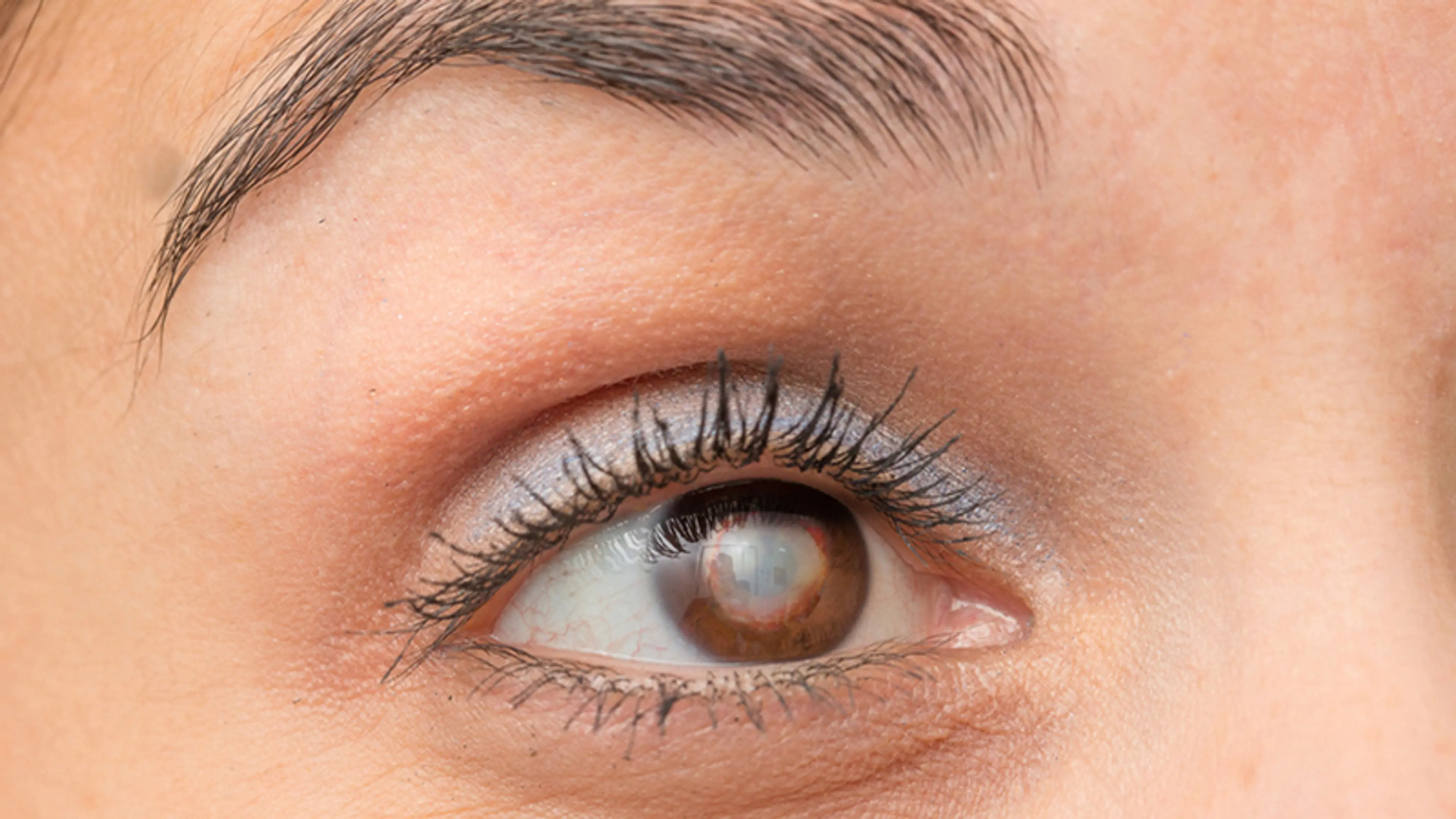
Nighttime glare is more than an inconvenience — it’s an early warning sign that your eye’s natural lens is changing.
This process is gradual and natural. Most people begin to develop some degree of lens opacity after their 40s or 50s, though the speed varies depending on genetics, sun exposure, medical conditions like diabetes, or even certain medications (such as long-term steroid use).
In the early stages, the changes are subtle. You may notice:
A faint blur or film over your vision
Colors looking slightly faded or yellowish
Increasing sensitivity to light
Difficulty reading in dim environments
At night, your pupils naturally widen to let in more light. However, when that light passes through a lens clouded by cataracts, it scatters.
Imagine shining a flashlight through frosted glass — instead of a clean beam, you’d see a hazy glow spreading in all directions. That’s exactly what happens inside your eye.
As a result:
Headlights and streetlights appear to have halos or starbursts around them.
Bright lights can feel blinding or painful.
Contrast drops dramatically, making it hard to distinguish shadows and shapes.
Your overall night vision becomes unreliable.
This light scattering also affects depth perception, making nighttime driving particularly hazardous. Many patients describe it as “losing confidence on the road after dark.”
One of the most misleading aspects of early cataracts is that your daytime vision may still seem clear. That’s because sunlight and bright conditions provide strong contrast, helping your brain compensate for minor cloudiness.
But once the lighting dims, the same visual imperfections that were once negligible become much more noticeable. The pupil dilates, allowing light to enter through a larger area of the lens — including the cataract-affected portions.
At Gangnam St. Mary’s One Eye Clinic, we often explain it like this:
“During the day, your vision relies on clarity and contrast. At night, it relies on the purity of light transmission. Cataracts distort that purity.”
Not all cataracts affect vision in the same way. The location and type of lens opacity determine which symptoms appear first.
Develops in the central core (nucleus) of the lens.
Common with aging.
Causes gradual yellowing and blurring of vision.
Often leads to glare and color dullness.
Forms around the outer edge of the lens (the cortex).
Creates white, wedge-like streaks pointing inward.
Particularly troublesome for night driving, since these streaks scatter light entering from bright sources.
Develops at the back of the lens, right along the light’s pathway to the retina.
Progresses quickly and strongly affects glare, halos, and reading vision.
Patients often struggle most in bright or low-light situations.
Each type can distort light differently, but the end result is similar — diminished visual clarity, especially in dim environments.
In Korea, regular health screenings and early detection culture are well-established. Many people come for comprehensive eye checks as soon as they experience mild discomfort, night glare, or even subtle changes in color perception.
This early awareness allows ophthalmologists to track the progression of lens changes and plan timely interventions — sometimes even before daily life is affected.
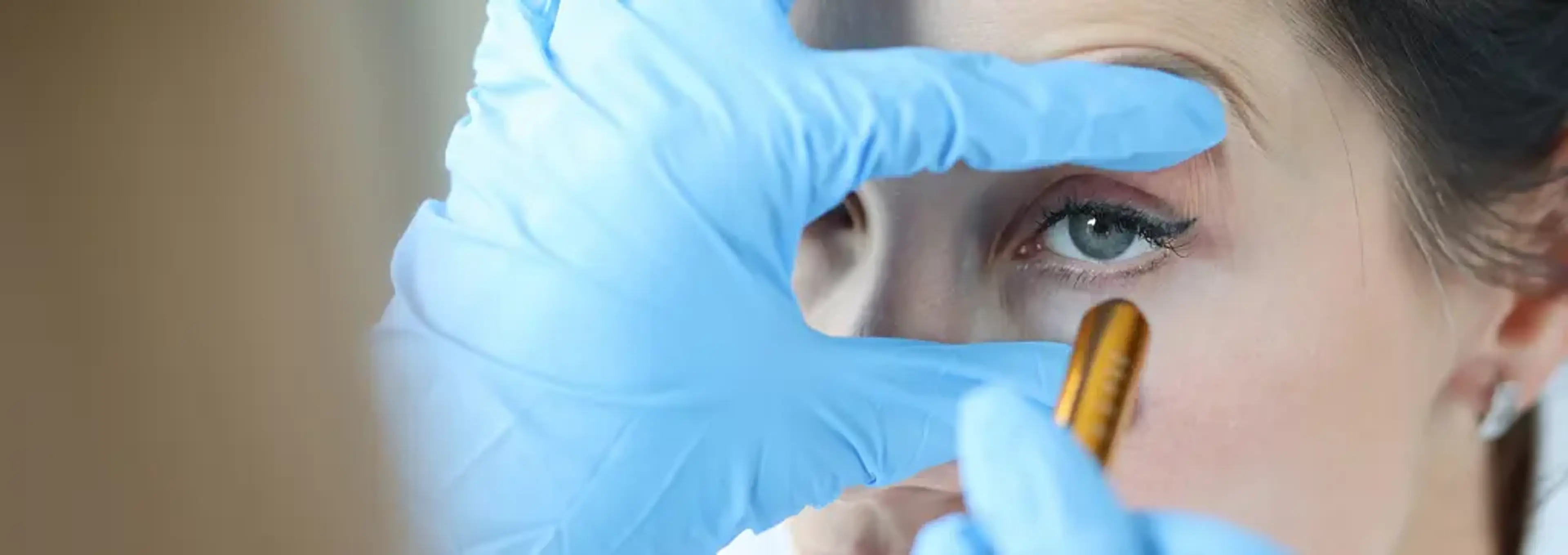
At Gangnam St. Mary’s One Eye Clinic, cataract evaluation is more than just a vision test. We perform a full lens and retinal assessment using advanced optical systems such as:
Increasing glare sensitivity, especially at night
Trouble reading or recognizing faces in dim light
Needing brighter lights for routine tasks
Feeling unsafe or hesitant while driving after sunset
Here’s what makes modern cataract surgery at Gangnam St. Mary’s One Eye Clinic exceptional:
One of our long-time patients, a 62-year-old photographer from Gangnam, described his life before surgery:
“At night, my camera’s autofocus worked better than my eyes. Headlights looked like exploding fireworks.”
After customized cataract surgery with a premium multifocal IOL, his reaction was heartfelt:
“Now, I can walk through the city and see the glow of neon lights clearly again. It feels like I got my youth back.”
Stories like his remind us that vision is not just about sharpness — it’s about confidence, safety, and joy.
Even before cataracts become severe, there are ways to protect and maintain lens health:
After surgery, proper post-operative care and follow-up are essential. Our clinic provides personalized guidance, ensuring that healing is smooth and vision is optimized through precise adjustments and monitoring.
For us, cataract surgery isn’t just about removing a cloudy lens — it’s about restoring the clarity that allows people to live freely, confidently, and fully.
If you’re noticing glare, halos, or difficulty seeing at night — especially while driving — don’t ignore it. These early changes can be safely managed with timely diagnosis and expert care.
We recommend scheduling a comprehensive eye exam at a multi-specialty eye clinic like Gangnam St. Mary’s One Eye Clinic, where advanced diagnostics and multilingual support ensure accurate, comfortable care for every patient.
Nighttime glare is often the first whisper of cataracts — not a sign to fear, but a reminder to care for your eyes proactively. With today’s advanced diagnostic tools and surgical precision, clear vision after dark is completely achievable.