Introduction
eye-drop-safety:-when-to-call-a-doctor-about-side-effectsIf you’ve ever felt a stinging sensation or noticed your eyes turning red after using eye drops, you’re not alone. Eye drops are one of the most commonly used medications worldwide — for dry eyes, allergies, infections, and post-surgery recovery — but few people stop to consider how these tiny bottles can sometimes cause unexpected reactions. At Gangnam St. Mary’s One Eye Clinic in Seoul, we regularly meet patients who are unsure whether what they’re feeling after using eye drops is normal — or a sign to see a doctor.
This article will help you understand what’s normal and what’s not, why certain eye drops cause side effects, and when it’s important to contact an eye specialist.
Why Eye Drop Safety Matters
why-eye-drop-safety-mattersThe surface of your eye — the cornea and conjunctiva — is one of the most delicate and sensitive areas of your body. Even small changes in pH, preservatives, or ingredients can lead to irritation. In Korea, where dry eye and digital eye strain are increasingly common due to long hours on screens, eye drop use has become a daily habit for many adults.
However, not all eye drops are created equal. Some are designed for short-term relief, while others contain medications that can cause significant reactions if misused. Understanding your drops — and how your eyes respond — is the first step in protecting your vision.
At Gangnam St. Mary’s One Eye Clinic, we emphasize proper eye drop education as part of every treatment plan. Whether a patient is recovering from LASIK or managing glaucoma, we ensure they know exactly how to use their medication and what warning signs to watch for.
Common and Mild Side Effects: When It’s Usually Normal
common-and-mild-side-effects:-when-it's-usually-normalA brief stinging sensation or slight blurring right after application is quite common — especially with medicated or preservative-containing drops. These effects typically fade within a few minutes.
Mild, short-lived symptoms may include:
A brief burning or cooling sensation after instillation
Temporary blurry vision
Slight tearing or watery eyes
A mild taste in the throat (from drainage through the tear duct)
These effects often occur because the eye’s surface is adjusting to the solution’s ingredients. If they last only a few minutes and do not recur with every use, they are generally harmless.
💡 Tip from Dr. Man-Soo Kim: To minimize irritation, gently close your eyes after applying the drops — don’t blink rapidly — and press lightly on the inner corner of your eyelid to prevent the medicine from draining into your throat.
When to Be Concerned: Warning Signs That Require Medical Advice
when-to-be-concerned:-warning-signs-that-require-medical-advice
Some reactions, however, should never be ignored. Persistent discomfort, redness, or vision changes can signal that your eyes are reacting poorly to the medication — or that there’s an underlying problem that needs professional care.
Call or visit an ophthalmologist immediately if you experience:
Persistent redness or swelling after several applications
Severe or lasting pain or burning sensation
Blurred or reduced vision
Discharge, crusting, or yellow-green mucus
Sensitivity to light (photophobia)
Signs of an allergic reaction — itching, eyelid swelling, or rash around the eyes
Symptoms worsening despite continued use
At Gangnam St. Mary’s One Eye Clinic, we often see patients who continue using drops despite increasing irritation, assuming “it will get better.” Unfortunately, prolonged exposure to an irritating drop can worsen inflammation or damage the corneal surface — especially if the drop contains preservatives like benzalkonium chloride (BAK).
Preservatives: The Hidden Irritant
preservatives:-the-hidden-irritantMany over-the-counter eye drops, especially multi-use bottles, contain preservatives to prevent bacterial growth. The most common, BAK, can be harsh on the corneal epithelium when used frequently.
Preservative-related side effects may include:
Dryness and irritation that worsen over time
A “foreign body” sensation (feeling like sand in the eye)
Redness and burning after repeated use
For patients who use eye drops several times a day — such as those with chronic dry eye or glaucoma — preservative-free single-use vials are often recommended.
At Gangnam St. Mary’s, we use specialized diagnostics to assess the tear film and corneal surface before prescribing long-term drops. This ensures that treatment supports healing instead of aggravating sensitivity.
Specific Risks by Type of Eye Drop
specific-risks-by-type-of-eye-dropNot all eye drops act the same way. Understanding the difference can help you recognize when a side effect is expected — and when it’s dangerous.
1. Artificial Tears (Lubricating Drops)
1.-artificial-tears-(lubricating-drops)Common uses: Dry eyes, screen fatigue, post-LASIK comfort
Typical reactions: Mild stinging or temporary blurriness
When to call a doctor: If discomfort increases or if you need drops more than 6–8 times daily — this may indicate chronic dryness requiring specialized treatment such as punctal plugs or lipid-layer therapy.
2. Antibiotic Drops
2.-antibiotic-dropsUsed for: Bacterial infections or post-surgery prophylaxis
Possible issues: Allergic reactions (swelling, itching), persistent pain, or discharge
Doctor’s note: Stop immediately and seek care if redness and swelling worsen — this may signal allergy or resistance.
3. Steroid Drops
3.-steroid-dropsUsed for: Inflammation after surgery, allergies, or uveitis
Risks: Increased eye pressure (glaucoma), delayed wound healing, cataract formation with long-term use
Essential tip: Never self-prescribe steroid drops. Even one week of improper use can affect eye pressure.
4. Glaucoma Medications (e.g., Prostaglandin analogues, Beta-blockers)
4.-glaucoma-medications-(e.g.-prostaglandin-analogues-beta-blockers)Side effects: Darkening of the iris or eyelid, eyelash growth, or eye redness
Serious concerns: Breathing difficulty (for beta-blockers), vision dimming, or eye pain — report these immediately.
5. Allergy Drops (Antihistamines or Mast Cell Stabilizers)
5.-allergy-drops-(antihistamines-or-mast-cell-stabilizers)Typical effects: Mild sting or temporary dryness
Seek help if: You notice persistent redness or pain after several days — sometimes allergy drops can paradoxically irritate the surface they’re meant to calm.
Safe Usage Tips for Everyday Eye Drop Users
safe-usage-tips-for-everyday-eye-drop-users
Proper use can dramatically reduce the risk of side effects. Many people unknowingly contaminate their drops or apply them incorrectly, reducing effectiveness and increasing irritation.
Best practices include:
Wash your hands thoroughly before applying drops.
Avoid touching the tip of the bottle to your eye or lashes.
Wait at least 5 minutes between different types of drops.
Store according to label instructions — some require refrigeration.
Discard opened bottles after the recommended period (usually 1 month).
Use preservative-free drops if you have sensitive eyes or use drops frequently.
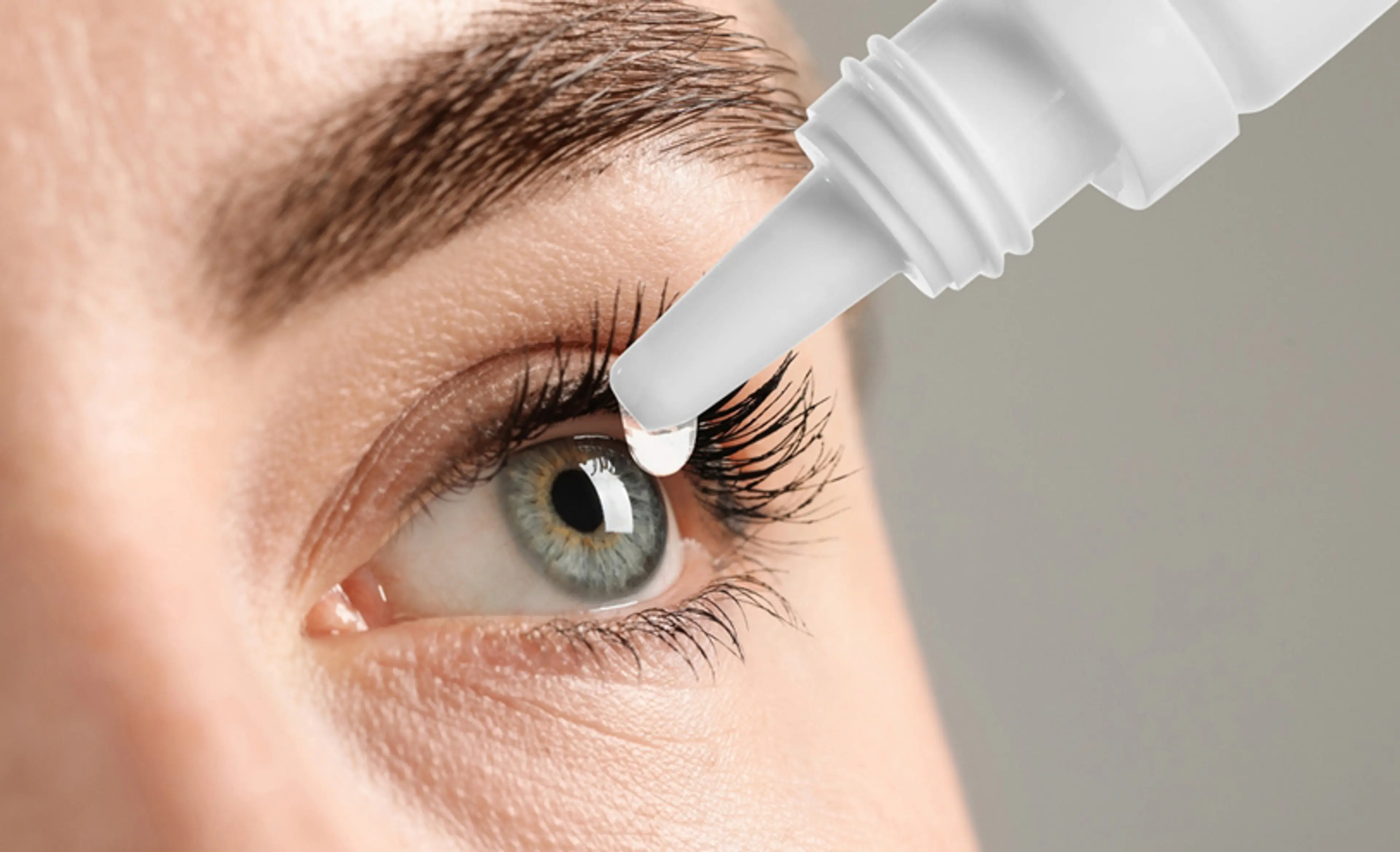
🕊️ At Gangnam St. Mary’s, we often teach patients a “one-touch technique” — gently pulling the lower eyelid down and placing a single drop in the pocket, avoiding contact with lashes or skin.
Special Considerations After Eye Surgery
special-considerations-after-eye-surgeryIf you’ve recently undergone LASIK, LASEK, SMILE, or cataract surgery, your prescribed drops play a vital role in recovery — reducing inflammation, preventing infection, and keeping the cornea hydrated.
However, post-surgical eyes are especially sensitive. Any of the following require prompt contact with your surgeon:
Increased pain after the first 24 hours
New floaters, flashes, or shadowing in vision
Excessive tearing or discharge
Sudden blurriness or light sensitivity
Our clinic provides 24-hour post-operative support for all patients, ensuring that no symptom goes unchecked. Early detection of complications is key to long-term clarity and comfort.
When in Doubt — Don’t Wait
when-in-doubt-don't-waitYour eyes often communicate distress early — through burning, redness, or blurred vision. Ignoring these signals can allow minor irritation to evolve into more serious inflammation or infection.
If you’re unsure whether your reaction is normal, it’s always safer to ask. Bring your eye drops with you to the appointment; sometimes the issue lies in an ingredient or preservative, not the eye itself.
At Gangnam St. Mary’s One Eye Clinic, every eye drop regimen is customized. We often reformulate or adjust treatment for patients who develop sensitivities, especially those with prior surgeries or chronic conditions like dry eye or blepharitis.
The Takeaway: Respect Every Drop
the-takeaway:-respect-every-dropEye drops are powerful tools — but they’re not all benign. The right formulation can soothe, protect, and heal; the wrong one can irritate or even harm the cornea. Knowing the difference between a temporary reaction and a warning sign is essential for preserving your vision.
If you experience any persistent discomfort, redness, or changes in vision, don’t self-diagnose. Schedule an evaluation at a trusted, multi-specialty eye clinic like Gangnam St. Mary’s One Eye Clinic in Seoul, where specialists can examine your cornea, tear film, and intraocular pressure with precision.
Your vision deserves expert care — even for something as small as a drop.