
It’s a moment many patients can recall vividly: holding a menu at arm’s length, shifting a phone back and forth, or wondering why restaurant lighting suddenly feels dimmer than it used to. If you’ve found yourself doing any of these, you’re in good company — nearly everyone over 40 eventually experiences presbyopia, the age-related stiffening of the natural lens that makes near vision harder.

At Gangnam St. Mary’s One Eye Clinic here in Seoul, we meet hundreds of patients each year who arrive with a version of the same question:

“If I have presbyopia surgery, how soon can I go back to reading comfortably?”

Some ask because they’re busy executives who read documents all day. Others are international patients planning a one-week medical trip to Korea. Many simply miss the feeling of reading without relying on multiple pairs of glasses.

This article breaks down the answer with medical clarity and human warmth — the way we communicate with patients in our clinic. We’ll explore what really happens during recovery, why reading comfort varies, and how modern surgical options help restore near vision at different speeds.

Why Reading Feels Different After 40 — A Lens That Loses Its Flexibility

why-reading-feels-different-after-40-a-lens-that-loses-its-flexibility
Presbyopia isn’t a disease. It’s a natural aging process, similar to how your joints feel a little stiffer over time.
Inside your eye sits the crystalline lens, an elastic structure designed to change shape when you shift your gaze from distant objects to close ones. Think of it like a camera lens that zooms without a motor.

Around your early 40s, that lens becomes less flexible. The result?

  • Text at close range feels blurry

  • You need more light to read

  • You notice eye fatigue faster

  • You constantly take glasses on and off

In Korea, it’s common for people to catch presbyopia early because of our digitally heavy lifestyle — bright subway screens, dense Korean text, and long office hours make small focusing problems more noticeable.

Why Patients Seek Surgery Instead of Just Reading Glasses

why-patients-seek-surgery-instead-of-just-reading-glasses

Glasses work, of course. But for many patients — especially active adults, travelers, and professionals — presbyopia surgery represents freedom.

Patients typically tell us:

  • “I’m tired of juggling multiple glasses.”

  • “I travel a lot, and losing my near glasses is frustrating.”

  • “I want to function naturally again.”

  • “I already had LASIK in my 20s — now I’m dealing with near blur.”

And because Seoul is a global hub for refractive surgery, many international patients come to Korea specifically for presbyopia correction techniques that aren’t as widely available elsewhere.

The Big Question: When Can You Comfortably Read Again?

the-big-question:-when-can-you-comfortably-read-again
The short answer is: anywhere from a few days to several weeks, depending on the surgical method.

But the long answer is more nuanced — and far more helpful for real-world expectations.

Let’s break down the major presbyopia surgery options and the true timelines for reading recovery.

1. Presbyond Laser Blended Vision (Advanced LASIK-Based Correction)

1.-presbyond-laser-blended-vision-(advanced-lasik-based-correction)
Presbyond — often called Laser Blended Vision — is one of the most popular corrective options at our clinic. It’s especially effective for patients previously told, “LASIK can’t fix presbyopia.”

How it works

how-it-works
  • One eye is optimized for distance

  • The other is optimized for near

  • The laser blends the “depth of focus” so both eyes work together naturally

Unlike traditional monovision, Presbyond maintains excellent depth perception and contrast.

How soon can you read comfortably?

how-soon-can-you-read-comfortably
Most patients: 3–7 days
Some patients: 1–3 weeks
Why the difference?
Because your brain needs time to adapt to blended vision. This neural adaptation is remarkably fast for many people — especially those familiar with screens or multitasking — but slower for people sensitive to visual imbalance.

What patients say during recovery

what-patients-say-during-recovery

During the first 48 hours, patients typically report:

  • “Distance vision is already sharper.”

  • “Reading is possible but feels slightly ‘soft’.”

  • “I can use my phone, but my eyes tire faster.”

By the end of the first week, most return to:

✔ Uninterrupted phone use
✔ Reading documents comfortably
✔ Normal computer work
For heavy readers (attorneys, academics, translators), we advise a recovery window of 1–2 weeks before demanding close-up sessions.

2. Corneal Inlay Surgery (ICLs for Near Vision)

2.-corneal-inlay-surgery-(icls-for-near-vision)

While less common today due to advancements in blended vision lasers, some patients may qualify for corneal inlays or lens-based enhancers.

Reading comfort timeline

reading-comfort-timeline
5–14 days for comfortable near vision
Up to 1 month for fine print stability

The cornea needs time to settle, and initial dryness can affect clarity.

This technique has largely been replaced by laser-based presbyopia correction in modern centers like ours, but it still applies to selected cases.

3. Refractive Lens Exchange (RLE) with Multifocal or EDOF Lenses

3.-refractive-lens-exchange-(rle)-with-multifocal-or-edof-lenses
This is essentially cataract surgery performed early, replacing the natural lens with an advanced intraocular lens (IOL). It’s extremely popular among patients in their late 40s, 50s, or early 60s — especially those who want a permanent solution.

How soon can you read after RLE?

how-soon-can-you-read-after-rle

Multifocal IOLs:

  • Text reading: 3–7 days
  • Comfortable sustained reading: 1–2 weeks

EDOF (Extended Depth of Focus) lenses:

  • Intermediate clarity (computers): 1–3 days
  • Near reading: 1–3 weeks (may need weak reading glasses occasionally)

Why?

why

Because the brain must learn to interpret a “split light pattern” — multiple focal points coming from the lens implant. Korean patients often adapt quickly because they’re accustomed to reading dense Hangul; foreign patients may take a little longer.

Best for:

best-for:
  • Patients with early lens clouding

  • Post-LASIK middle-aged adults

  • Those who want a long-term fix (no future cataracts)

4. Monovision LASIK or LASEK

4.-monovision-lasik-or-lasek

Traditional monovision adjusts one eye for near, the other for far — without blended depth compensation.

Reading comfort timeline

reading-comfort-timeline
  • 3–10 days for phone and casual reading
  • Up to 2–3 weeks for stable, comfortable reading

Some patients love monovision. Others feel slightly unbalanced, especially during the adaptation period.

Doctors at Gangnam St. Mary’s One Eye Clinic perform detailed trial lens simulations before recommending monovision to ensure compatibility.

The Truth No One Tells You: Reading Comfort Isn't Only About the Surgery

the-truth-no-one-tells-you:-reading-comfort-isn't-only-about-the-surgery

In real patient journeys, three major factors influence how quickly you return to reading:

1. Dryness After Surgery

1.-dryness-after-surgery

Even mild dryness can blur near print.

  • Laser surgeries may cause dryness for 1–3 months (usually mild)
  • Lens surgeries may cause temporary irritation for 1–2 weeks

We guide patients with gentle hydration schedules, preservative-free drops, and corneal rehabilitation.

2. Your Occupation Matters

2.-your-occupation-matters

Patients who read intensely — lawyers, medical students, engineers — often need:

  • A few extra days

  • Slightly more frequent artificial tears

  • Adjusted screen brightness

Meanwhile, patients doing casual reading or everyday phone use often regain comfort faster.

3. Brain Adaptation Speed

3.-brain-adaptation-speed

Presbyopia correction relies on neuroadaptation.

Some patients adapt like flipping a light switch. Others need time.

We see faster adaptation in:

  • People who previously used multifocal glasses

  • Bilingual or multilingual individuals (brain flexibility)

  • Patients with strong neuroplasticity

Recovery isn’t a race — it’s a personalized process.

What Reading Feels Like Immediately After Surgery

what-reading-feels-like-immediately-after-surgery

Here’s the typical journey our patients describe in Korea:

Day 1–2

day-1-2
  • Vision is bright, slightly hazy

  • Reading is possible but inconsistent

  • Shortphone use is fine with breaks

Day 3–7

day-3-7
  • Text sharpens

  • Reading becomes more natural

  • Depth perception stabilizes

Week 2–3

week-2-3
  • Comfortable reading sessions

  • Reduced dryness

  • Enhanced contrast

1–3 Months

1-3-months
  • Vision feels “second nature”

  • You stop thinking about having had surgery at all

Real Patient Insight from Gangnam St. Mary’s One Eye Clinic

real-patient-insight-from-gangnam-st.-mary's-one-eye-clinic

Case Example: A Korean Business Executive (Age 47)

case-example:-a-korean-business-executive-(age-47)

He needed to read contracts daily.

  • Day 3: Returned to office work

  • Week 2: Reported “back to normal” near vision

  • Month 1: Reading comfortably without any glasses

Case Example: International Patient from Singapore (Age 53)

case-example:-international-patient-from-singapore-(age-53)

Planned a one-week medical trip.

  • Day 1–2: Mild dryness but good phone vision

  • Day 4: Could read menus and documents

  • Day 7: Returned home with stable near vision

These experiences align with our broader data:
Most presbyopia patients regain comfortable reading within 3–14 days.

How Gangnam St. Mary’s One Eye Clinic Maximizes Your Reading Recovery

how-gangnam-st.-mary's-one-eye-clinic-maximizes-your-reading-recovery

Located in the heart of Gangnam — Seoul’s medical center — our clinic has specialized in personalized refractive and cataract solutions since 2002. Led by Dr. Man-Soo Kim, a renowned former university professor and corneal specialist, we designed our presbyopia programs to minimize adaptation time and maximize comfort.

Our approach includes:

our-approach-includes:
  • 20+ years experience in advanced refractive surgery

  • Blended vision or multifocal lens planning tailored to lifestyle

  • Wavefront-guided diagnostics

  • Corneal biomechanics analysis

  • Tear-film stability treatment before and after surgery

  • Follow-up care optimized for quick reading comfort

We don’t believe in rushing patients into a one-size-fits-all solution. Instead, treatment is designed around the life you want to return to — especially your reading habits.

When Should You Consider Presbyopia Surgery?

when-should-you-consider-presbyopia-surgery

If you're experiencing:

  • Struggling to read your phone

  • Needing brighter light to see menus

  • Headaches from frequent focusing

  • Tiredness from constant near work

  • Frustration from switching glasses

…it may be time to explore surgical options.
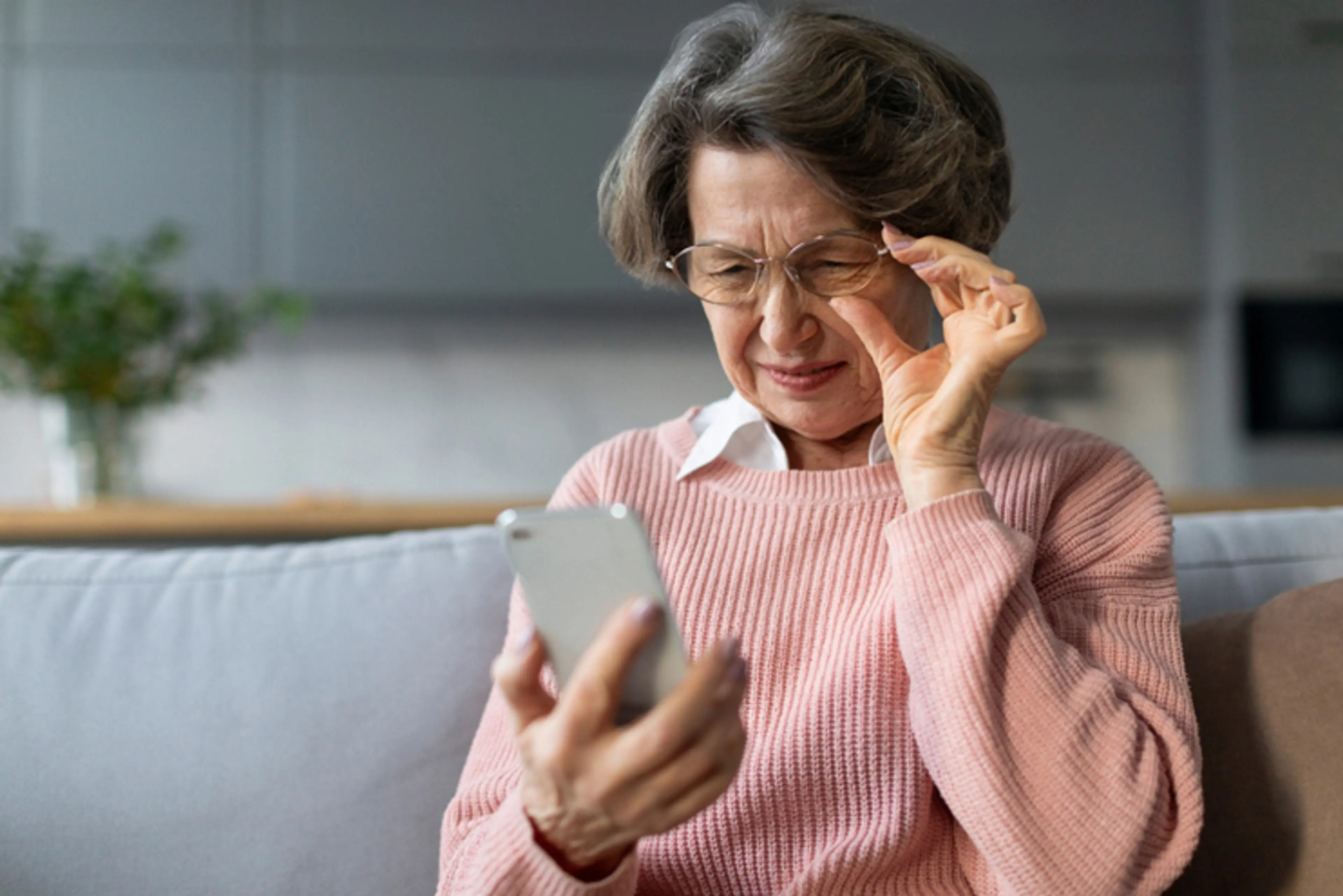
And if you’re noticing changes and aren’t sure why, consider getting a comprehensive evaluation at a clinic with both corneal and lens expertise — such as Gangnam St. Mary’s One Eye Clinic here in Seoul.

So… When Will You Read Comfortably Again?

so...-when-will-you-read-comfortably-again
Most patients: Within a week
Heavy readers: 1–2 weeks
Slower adapters: 2–3 weeks
Lens replacement patients: 1–3 weeks depending on lens type
The beautiful part?
Once adaptation is complete, patients tell us they forget what life was like before.
And often, they read more than ever — simply because they can.